
Struggling with Contacts? How Specialty Lenses Can Improve Comfort and Vision
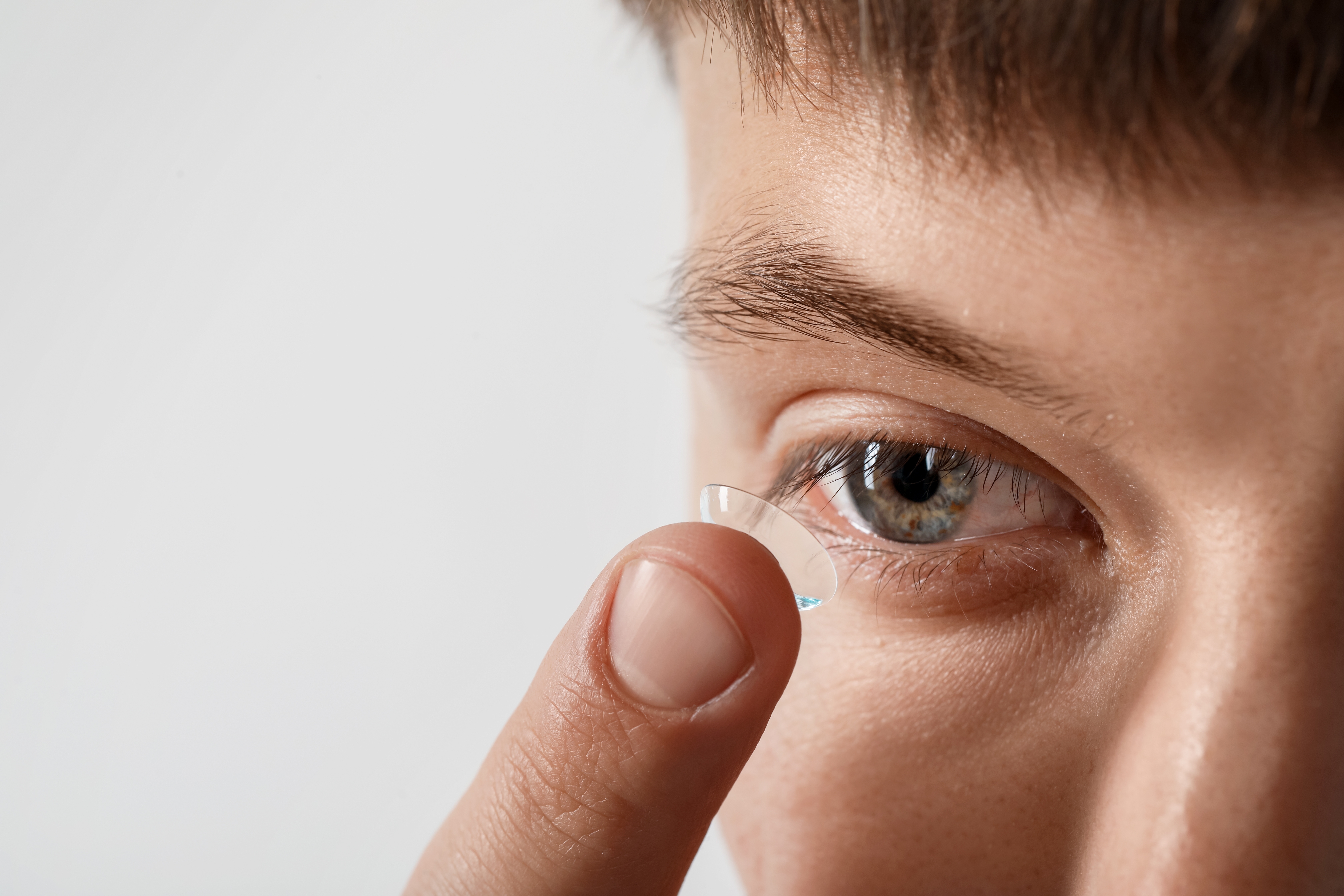
If your contact lenses feel dry, scratchy, or unstable, the issue may not be you - it may be the lens design. Many people are fit into “one-size-fits-most” soft contacts, but eyes are not one-size-fits-most. Factors like astigmatism, a steep or irregular cornea, dry eye, and even subtle eyelid differences can make standard lenses shift, blur, or irritate your eyes throughout the day.
What Are Specialty Contact Lenses?
Specialty contact lenses are custom-designed contacts made to match your eyes more precisely. Instead of forcing your eyes to adapt to a generic lens shape, these lenses are built around your unique measurements. The result is often clearer vision, better stability, and improved comfort, especially for patients who have struggled with regular contacts.
Specialty Lens Options That Can Improve Comfort and Vision
Your optometrist may recommend one or more of these specialty contact lenses based on your prescription, eye health, and lifestyle:
- Scleral lenses that vault over the cornea and rest on the white of the eye, creating a fluid cushion that can reduce dryness and improve comfort
- Gas permeable (RGP) lenses that hold their shape for crisp vision, often helpful for higher astigmatism or vision that fluctuates in soft lenses
- Hybrid lenses with a rigid center and soft outer ring, designed to combine sharp vision with a softer feel
- Custom soft lenses made in more precise parameters for larger prescriptions, astigmatism, or unique corneal shapes
- Orthokeratology (Ortho-K) lenses worn at night to reshape the cornea temporarily for daytime freedom from contacts, often used in myopia management
Who Benefits Most from Specialty Contacts?
Specialty lenses are not only for complex prescriptions. They can be a great option for anyone who cannot get reliable comfort or vision from standard lenses. Common reasons include persistent dryness, lenses that move or pop out, blurry vision that worsens late in the day, or sensitivity that makes contact wear feel like a chore.
They are also frequently recommended for patients with irregular corneas, including those with keratoconus or corneal scarring, where standard soft lenses may never provide stable clarity.
How a Specialty Contact Lens Fitting Works
A specialty lens fitting goes beyond a routine contact lens exam. Your eye doctor takes detailed measurements of the cornea and evaluates tear quality, eyelid function, and how your eyes respond to lens wear. Based on those findings, trial lenses may be placed to assess fit and vision. Some lenses are ordered with precise custom parameters, then fine-tuned over one or more follow-up visits.
This process matters because the right fit can help reduce irritation, improve oxygen flow to the eye, and deliver more consistent vision.
Ready for More Comfortable Contacts?
If you avoid contacts because they are uncomfortable, or you rely on eye drops just to get through the day, it is worth discussing specialty contact lenses. Many patients are surprised by how different contacts can feel when the lens is built for their eyes, not the average eye.
To find out whether specialty contact lenses are right for you, schedule a contact lens exam at Lifetime Eyecare. Visit our office in Newton, North Carolina, or call (828) 731-2717 to book an appointment today.
Quick Links
Helpful Articles
article_category: products
article_category: psychiatry
article_category: faqs
article_category: cats
article_category: general
article_category: services
article_category: technology
article_category: dogs
article_category: restorative
article_category: vision therapy
article_category: contact lenses
article_category: health
article_category: conditions
article_category: eye surgery co-management
article_category: exotic
article_category: cosmetic
article_category: surgical procedures
article_category: aesthetics
article_category: preventative
article_category: ocular disease management
article_category: eyeglasses
article_category: eye health
article_category: large animal
[]
article_category: psychiatry
article_category: faqs
article_category: cats
article_category: general
article_category: services
article_category: technology
article_category: dogs
article_category: restorative
article_category: vision therapy
article_category: contact lenses
article_category: health
article_category: conditions
article_category: eye surgery co-management
article_category: exotic
article_category: cosmetic
article_category: surgical procedures
article_category: aesthetics
article_category: preventative
article_category: ocular disease management
article_category: eyeglasses
article_category: eye health
article_category: large animal
[]
Flowbite is an open-source library of interactive components built on top of Tailwind CSS including buttons, dropdowns, modals, navbars, and more.
Check out this guide to learn how to get started and start developing websites even faster with components on top of Tailwind CSS.

All Eye Care Services
Discover personalized eye care excellence with our comprehensive services. From eye exams to advanced diagnostics, trust us for all your vision needs.

Keep In Touch
For non-urgent questions or to learn more about our services, contact us today!
© 2026 Lifetime Eyecare. All rights Reserved - Accessibility Statement - Privacy Policy - Sitemap
Managed and Designed by 