
Which Is More Effective for Dry Eye Treatment: IPL or LLLT?
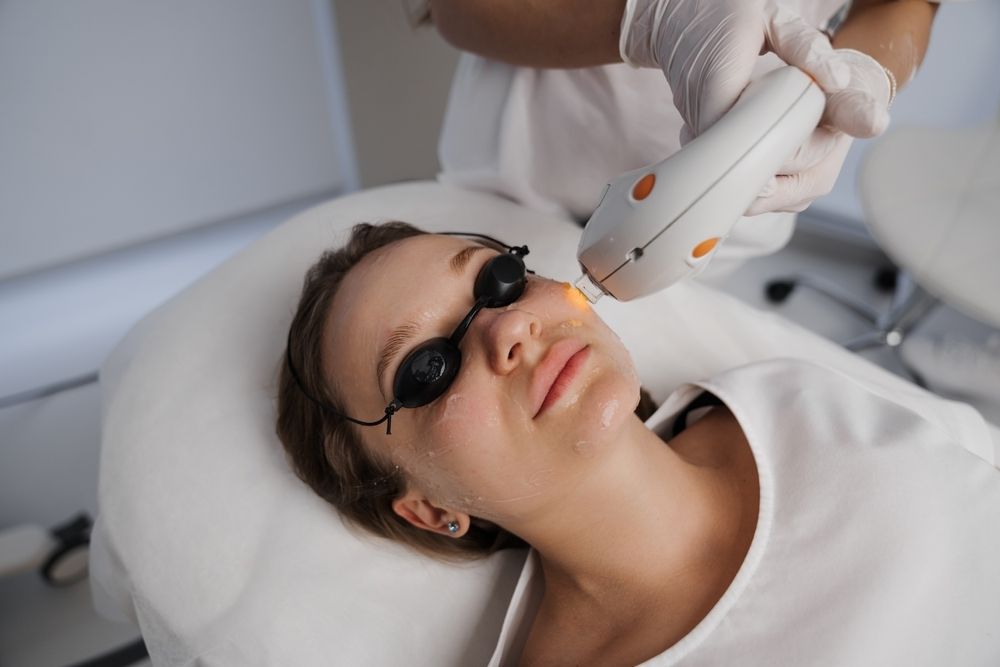
Two of the most effective dry eye therapies available today are Intense Pulsed Light (IPL) and Low-Level Light Therapy (LLLT). Both use light-based technology to address the underlying causes of dry eye, but they work in different ways. Understanding how each treatment works can help you determine which option may be best for your eyes.
Understanding Dry Eye Disease
Many cases of dry eye are caused by meibomian gland dysfunction (MGD). The meibomian glands, located along the eyelid margins, produce oils that slow tear evaporation. When these glands become blocked or inflamed, tears evaporate too quickly, leading to dryness and irritation. Effective dry eye treatment focuses not just on relieving symptoms, but on restoring healthy gland function and reducing inflammation.
What Is IPL (Intense Pulsed Light)?
Intense Pulsed Light (IPL) uses controlled pulses of broad-spectrum light applied to the skin around the eyes. Originally developed for dermatologic care, IPL has become a proven treatment for dry eye related to meibomian gland dysfunction (MGD). By targeting abnormal blood vessels and inflammation along the eyelids, IPL helps reduce chronic inflammation, melt thickened oils trapped in the meibomian glands, and improve the overall quality and stability of the tear film.
It can also decrease bacterial overgrowth on the eyelids, which often contributes to irritation and flare-ups. IPL is best suited for patients with moderate to severe dry eye, particularly those with rosacea-related dry eye, chronic eyelid inflammation, or poorly functioning meibomian glands. Treatments are typically performed in a series, with many patients experiencing gradual and lasting improvement after each session.
What Is LLLT (Low-Level Light Therapy)?
Low-Level Light Therapy (LLLT) uses gentle red or near-infrared light delivered through a comfortable mask placed over closed eyes. Unlike IPL, LLLT does not rely on intense pulses or heat; instead, it stimulates cellular activity at a low energy level to support natural healing. LLLT encourages healthier oil production in the meibomian glands, improves circulation, and promotes tissue repair. The gentle warming effect helps loosen gland blockages while calming inflammation without targeting blood vessels.
LLLT is ideal for patients with mild to moderate dry eye, those who are sensitive to heat or light-based procedures, or individuals in the early stages of meibomian gland dysfunction. Because the treatment is very comfortable and relaxing, it is also commonly used as a maintenance therapy.
IPL vs. LLLT: Which Is More Effective?
When comparing IPL and LLLT, effectiveness depends on the severity of dry eye and the underlying cause. IPL is often more effective for patients with significant inflammation, rosacea-associated dry eye, or advanced meibomian gland dysfunction, as it directly targets inflammatory blood vessels and chronic eyelid inflammation.
LLLT, on the other hand, is highly effective for improving gland function and overall comfort in milder cases or as a supportive treatment. In many situations, the most successful approach is a combination of IPL and LLLT, since the two therapies work in complementary ways to address dry eye from multiple angles.
Take the Next Step at Lifetime Eyecare
Both IPL and LLLT are advanced, clinically proven treatments that go beyond artificial tears to treat dry eye at its source. While IPL tends to deliver stronger results for inflammatory and moderate to severe dry eye, LLLT offers a gentle and effective solution for milder symptoms or ongoing maintenance. The best treatment plan depends on your specific diagnosis, symptoms, and eye health.
Schedule a dry eye consultation with Lifetime Eyecare to find out whether IPL, LLLT, or a customized combination treatment is right for you. Visit our office in Newton, North Carolina, or call (828) 731-2717 to book an appointment today.
Quick Links
Helpful Articles
article_category: products
article_category: psychiatry
article_category: faqs
article_category: cats
article_category: general
article_category: services
article_category: technology
article_category: dogs
article_category: restorative
article_category: vision therapy
article_category: contact lenses
article_category: health
article_category: conditions
article_category: eye surgery co-management
article_category: exotic
article_category: cosmetic
article_category: surgical procedures
article_category: aesthetics
article_category: preventative
article_category: ocular disease management
article_category: eyeglasses
article_category: eye health
article_category: large animal
[]
article_category: psychiatry
article_category: faqs
article_category: cats
article_category: general
article_category: services
article_category: technology
article_category: dogs
article_category: restorative
article_category: vision therapy
article_category: contact lenses
article_category: health
article_category: conditions
article_category: eye surgery co-management
article_category: exotic
article_category: cosmetic
article_category: surgical procedures
article_category: aesthetics
article_category: preventative
article_category: ocular disease management
article_category: eyeglasses
article_category: eye health
article_category: large animal
[]
Flowbite is an open-source library of interactive components built on top of Tailwind CSS including buttons, dropdowns, modals, navbars, and more.
Check out this guide to learn how to get started and start developing websites even faster with components on top of Tailwind CSS.

All Eye Care Services
Discover personalized eye care excellence with our comprehensive services. From eye exams to advanced diagnostics, trust us for all your vision needs.

Keep In Touch
For non-urgent questions or to learn more about our services, contact us today!
© 2026 Lifetime Eyecare. All rights Reserved - Accessibility Statement - Privacy Policy - Sitemap
Managed and Designed by 