
Beyond Eye Drops: Advanced IPL and LLLT Therapy for Dry Eye Relief During Newton’s Fall Transition
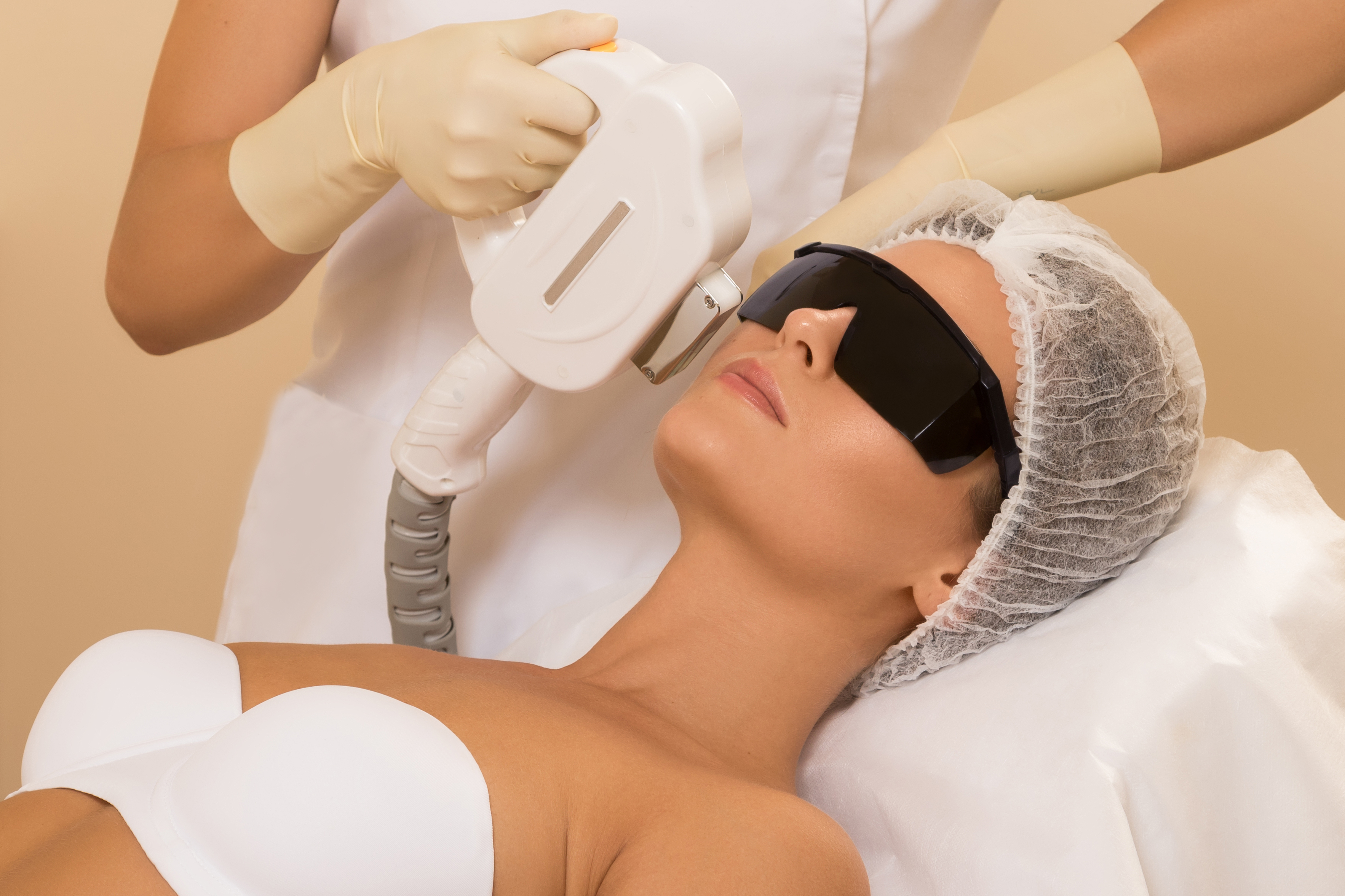
As Newton moves from warm summer weather into fall, changing temperatures, wind, seasonal allergens, and increased time indoors can make dry eye symptoms more noticeable. Burning, grittiness, redness, watering, and fluctuating vision may return even if artificial tears provide temporary relief.
At Lifetime Eyecare in Newton, we offer advanced dry eye treatments including Intense Pulsed Light, or IPL, and Low Level Light Therapy, or LLLT. These in-office therapies can address factors associated with chronic dry eye, particularly when meibomian gland dysfunction is contributing to an unstable tear film.
Why Fall Can Make Dry Eye Worse
Healthy tears contain several components, including an oily outer layer that helps slow evaporation. The meibomian glands along the eyelids produce these protective oils.
When the glands become blocked or do not release healthy oils effectively, tears may evaporate too quickly. Fall wind, indoor heating, allergies, prolonged screen time, and lower humidity can add to the problem.
Signs that your dry eye may need more than occasional lubricating drops include:
- Burning or stinging that returns throughout the day
- Gritty or sandy sensations
- Red or irritated eyes
- Watery eyes that still feel dry
- Blurry vision that improves temporarily after blinking
- Contact lens discomfort
- Symptoms that quickly return after using artificial tears
Because these symptoms can have several causes, a dry eye evaluation is important before deciding which treatment is appropriate.
How IPL Addresses Dry Eye Differently
IPL uses controlled pulses of light applied around the eye area. For appropriate patients with dry eye related to meibomian gland dysfunction, treatment may help address inflammation around the eyelids and support better gland function.
Inflammation can interfere with the normal production and release of meibomian gland oils. By targeting factors that contribute to this inflammatory cycle, IPL may help improve tear film stability and reduce recurring irritation.
IPL is typically performed as a series of treatments rather than a single session. Your recommended schedule depends on your symptoms, gland health, skin characteristics, and response to therapy.
What Is LLLT?
Low Level Light Therapy uses therapeutic light energy around the eyelids and surrounding tissues. It is a non-invasive treatment that may help support meibomian gland function and reduce inflammation associated with certain types of dry eye.
Unlike treatments that simply add moisture to the surface of the eye, LLLT is intended to address factors contributing to poor tear quality.
For Newton patients with meibomian gland dysfunction or blepharitis, LLLT may be considered as part of a personalized dry eye treatment plan.
IPL vs. LLLT: Which Treatment Is Better?
There is no single dry eye treatment that is right for every patient. IPL and LLLT use different types of light-based technology, and the best option depends on what is causing your symptoms.
Some patients may have significant eyelid inflammation. Others may have blocked meibomian glands, poor oil quality, or a combination of problems. Your eye doctor may recommend one treatment or incorporate multiple approaches based on examination findings.
The goal is not simply to reduce symptoms for a few hours. Effective dry eye management focuses on improving the factors that are disrupting the tear film whenever possible.
Start With a Detailed Dry Eye Evaluation
Before advanced treatment begins, the first step is understanding whether your symptoms are caused by meibomian gland dysfunction, inflammation, tear deficiency, allergies, environmental exposure, or another condition.
A comprehensive evaluation allows us to examine the tear film, eyelids, and overall ocular surface while considering lifestyle factors that may be making symptoms worse.
If Newton's fall transition is bringing back burning, gritty, watery, or irritated eyes, schedule a dry eye evaluation with Lifetime Eyecare at 21 S Main Ave, Newton, NC 28658, or call (828) 731-2717 to learn whether IPL, LLLT, or another personalized dry eye treatment may help provide more lasting comfort.
Quick Links
Helpful Articles
article_category: products
article_category: psychiatry
article_category: faqs
article_category: cats
article_category: general
article_category: services
article_category: technology
article_category: dogs
article_category: restorative
article_category: vision therapy
article_category: contact lenses
article_category: health
article_category: conditions
article_category: eye surgery co-management
article_category: exotic
article_category: cosmetic
article_category: surgical procedures
article_category: aesthetics
article_category: preventative
article_category: ocular disease management
article_category: eyeglasses
article_category: eye health
article_category: large animal
[]
article_category: psychiatry
article_category: faqs
article_category: cats
article_category: general
article_category: services
article_category: technology
article_category: dogs
article_category: restorative
article_category: vision therapy
article_category: contact lenses
article_category: health
article_category: conditions
article_category: eye surgery co-management
article_category: exotic
article_category: cosmetic
article_category: surgical procedures
article_category: aesthetics
article_category: preventative
article_category: ocular disease management
article_category: eyeglasses
article_category: eye health
article_category: large animal
[]
Flowbite is an open-source library of interactive components built on top of Tailwind CSS including buttons, dropdowns, modals, navbars, and more.
Check out this guide to learn how to get started and start developing websites even faster with components on top of Tailwind CSS.

All Eye Care Services
Discover personalized eye care excellence with our comprehensive services. From eye exams to advanced diagnostics, trust us for all your vision needs.

Keep In Touch
For non-urgent questions or to learn more about our services, contact us today!
© 2026 Lifetime Eyecare. All rights Reserved - Accessibility Statement - Privacy Policy - Sitemap
Managed and Designed by 