
How Eye Exams Go Beyond Just Checking Your Vision
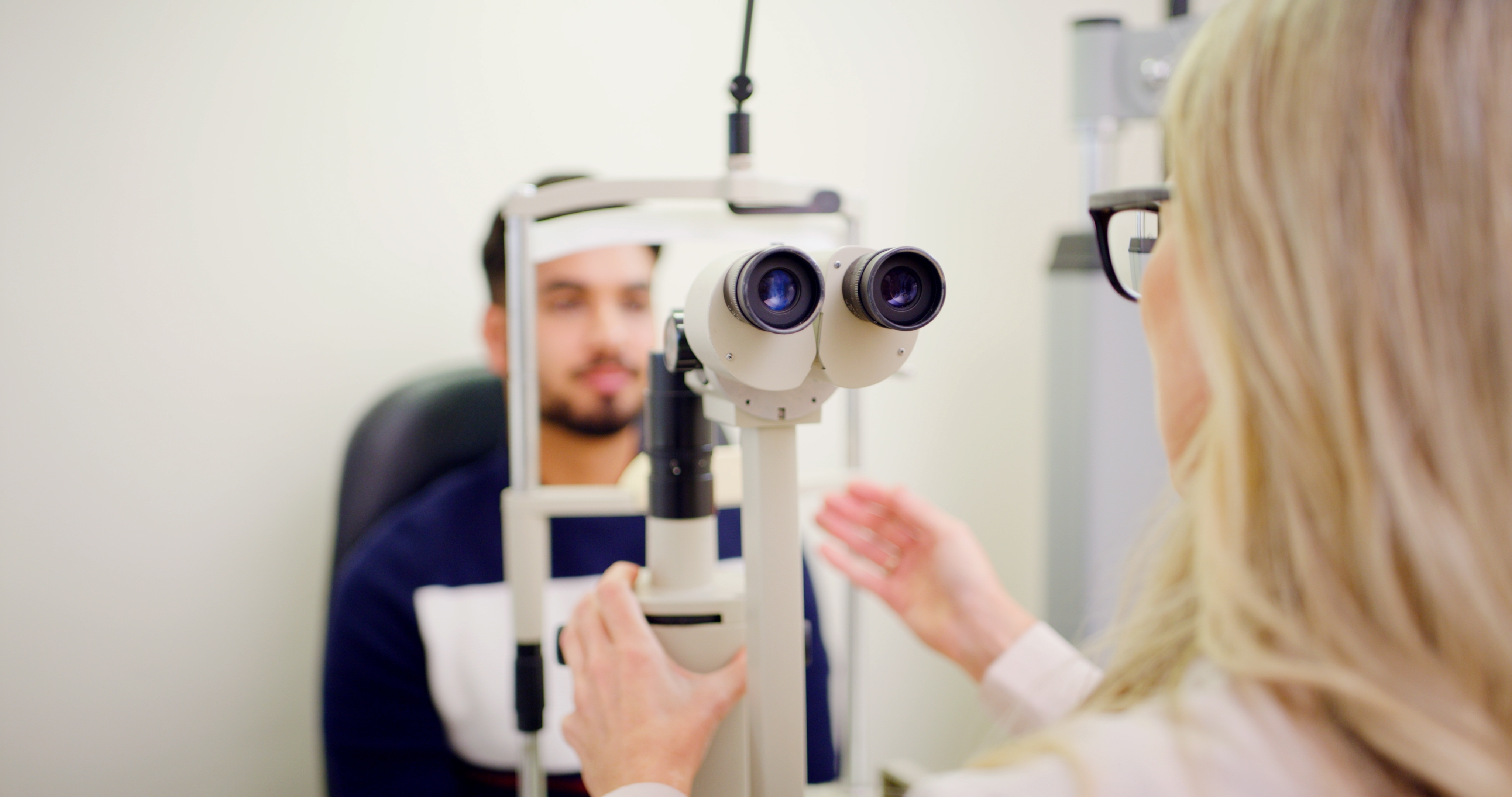
Many people think of an eye exam as a quick vision check to see whether they need glasses or an updated prescription. While clear vision is an important part of the visit, a comprehensive eye exam does much more. For patients in Newton, routine eye exams can help detect early signs of eye disease, evaluate overall eye health, and support comfortable vision for daily life.
At Lifetime Eyecare, eye exams are designed to look at how well you see, how your eyes work together, and whether any underlying conditions may be affecting your vision or long-term eye health.
Eye Exams Check More Than Your Prescription
A vision screening may tell you if you can read letters on a chart, but a comprehensive eye exam provides a much deeper look. Your eye doctor checks your visual clarity, prescription needs, focusing ability, eye alignment, and the health of the structures inside and outside the eye.
For patients in Newton, this is especially important because some eye conditions can develop gradually without obvious symptoms. You may still see clearly while early changes are happening in the retina, optic nerve, lens, or cornea.
Detecting Eye Disease Early
One of the most important reasons to schedule regular eye exams is early detection. Many eye diseases do not cause pain or noticeable vision changes in the beginning. By the time symptoms appear, the condition may already be more advanced.
During an eye exam, your Newton eye doctor may look for signs of conditions such as glaucoma, cataracts, macular degeneration, diabetic eye disease, dry eye, and retinal concerns. Detecting these issues early can make it easier to monitor changes, recommend treatment, or coordinate care when needed.
What Your Eye Doctor Evaluates
A comprehensive eye exam may include several tests depending on your age, symptoms, medical history, and risk factors. These tests help your eye doctor understand both your vision and your eye health.
Your exam may include:
- Visual acuity testing to measure how clearly you see
- Refraction to determine your glasses or contact lens prescription
- Eye pressure testing to help screen for glaucoma risk
- Retinal evaluation to check the back of the eye
- Eye movement and focusing tests
- Dry eye and tear film assessment
- Review of health history, medications, and symptoms
These steps help create a fuller picture of your eye health, not just your ability to read an eye chart.
Eye Exams Can Reveal Health Clues
The eyes can sometimes show signs of health conditions that affect the whole body. Changes in the blood vessels, retina, or optic nerve may be connected to diabetes, high blood pressure, autoimmune conditions, or other systemic concerns.
This does not mean an eye exam replaces regular medical care, but it can provide valuable information. If your eye doctor notices changes that need attention, they may recommend follow-up care with your primary care provider or a specialist. For patients in Newton, this makes routine eye exams an important part of overall wellness.
Comfort And Daily Vision Matter Too
Eye exams also help address symptoms that affect your daily comfort. Blurry vision, headaches, eye strain, light sensitivity, dryness, and trouble focusing can all interfere with work, school, reading, driving, or screen use.
Sometimes these symptoms are related to an outdated prescription. Other times, they may be caused by dry eye, binocular vision issues, contact lens problems, or another eye health concern. A comprehensive exam helps identify the cause so your eye doctor can recommend the right next step.
How Often Should You Schedule An Eye Exam?
The right eye exam schedule depends on your age, health history, prescription, and risk factors. Some patients need annual exams, while others may need more frequent monitoring for conditions such as diabetes, glaucoma risk, macular degeneration, or ongoing dry eye symptoms.
Even if your vision seems stable, routine exams are still important. Clear eyesight does not always mean your eyes are healthy. Regular visits give your Newton eye doctor the opportunity to catch subtle changes before they become more serious.
Why Comprehensive Eye Care Matters
A thorough eye exam helps protect more than your vision today. It supports long-term eye health, helps detect problems early, and gives you a better understanding of how your eyes are functioning. Whether you need updated glasses, contact lenses, medical eye care, or guidance for eye comfort, a comprehensive exam is the best place to start.
Schedule a comprehensive eye exam with Lifetime Eyecare in Newton, NC, located at 21 S Main Ave, by calling (828) 731-2717.
Quick Links
Helpful Articles
article_category: products
article_category: psychiatry
article_category: faqs
article_category: cats
article_category: general
article_category: services
article_category: technology
article_category: dogs
article_category: restorative
article_category: vision therapy
article_category: contact lenses
article_category: health
article_category: conditions
article_category: eye surgery co-management
article_category: exotic
article_category: cosmetic
article_category: surgical procedures
article_category: aesthetics
article_category: preventative
article_category: ocular disease management
article_category: eyeglasses
article_category: eye health
article_category: large animal
[]
article_category: psychiatry
article_category: faqs
article_category: cats
article_category: general
article_category: services
article_category: technology
article_category: dogs
article_category: restorative
article_category: vision therapy
article_category: contact lenses
article_category: health
article_category: conditions
article_category: eye surgery co-management
article_category: exotic
article_category: cosmetic
article_category: surgical procedures
article_category: aesthetics
article_category: preventative
article_category: ocular disease management
article_category: eyeglasses
article_category: eye health
article_category: large animal
[]
Flowbite is an open-source library of interactive components built on top of Tailwind CSS including buttons, dropdowns, modals, navbars, and more.
Check out this guide to learn how to get started and start developing websites even faster with components on top of Tailwind CSS.

All Eye Care Services
Discover personalized eye care excellence with our comprehensive services. From eye exams to advanced diagnostics, trust us for all your vision needs.

Keep In Touch
For non-urgent questions or to learn more about our services, contact us today!
© 2026 Lifetime Eyecare. All rights Reserved - Accessibility Statement - Privacy Policy - Sitemap
Managed and Designed by 